Curating a Collection
Digital media is one of the world’s modern conveniences. The idea that I could travel with thousands of albums, movies, or books on something with flash storage on it is truly amazing. I remember being a college student 20 years ago and having a backpack full of books, and how the straps of that bag would pinch a nerve in my shoulders from all the weight.
I remember CD carrying cases, a kind of portfolio of all the albums and mixtapes I had on CD, some bought, some burned. Things were bulky and somewhat inconvenient on the go, but we did it anyway because we needed our music with us.
Digital media made this much more plausible. The premise of the original iPod was “1,000 songs in your pocket”. Within a few years, that had upped itself to around 20,000 songs, all depending on what file format you were using. But, you could take the iPod and plug it into an auxiliary cable which also plugged into your car, and with this, you could play your digital collection as you drive. It was great. I had a pretty elaborate system of smart playlists that would look at the release year, star rating (between 1 & 5 stars), and how long ago a song was last played. These smart playlists would be built on top of each other to curate my own radio stations. It meant going through and listening to albums as I imported them and giving each song a rating. If I decided I liked a song more or less over time, I’d change the rating.
That system worked well for me. I was still actively curating my collection. For the most part, I was still buying albums, some by CD and some digitally. Then came streaming music services. The first one I got into was Beats Music, which eventually was bought out and became Apple Music. I’ve had a Spotify account I use off and on, but for the most part, I’ve gone with the option that was furthest integrated with my devices. With this, I went from having 20,000 songs in my pocket to millions of songs in my pocket. That’s a ton of access to music. In a lot of ways, it’s great. I still use the ratings system, but it’s devolved into a like or no like at all. Those smart lists now run through an app called Marvis Pro, so I still have some form of personalized curated radio station system.
But, I can’t help feeling some form of disconnect with the music I listen to these days. I find myself just having music on in the background, having it on more for the vibe, but not truly indulging in it. This makes the music act more as some kind of audio wallpaper. There’s no commitment unless you force it upon yourself. There’s apps like Albums for iOS which lock you into a space and for you to listen to a single album. But, you can still skip your way through a project if you like. This has me longing for physical albums again, particularly thinking about collecting vinyl. I know, how hipster of me, right? But hear me out. I want to be more intentional about my music, not only in how I listen to it, but how I collect it as well. I want to collect albums that have a purpose in my life, that have something interesting to me about them. This isn’t to degrade what I don’t collect, but to elevate what I do.
Take Kendrick Lamar’s album DAMN for example. The individual tracks on DAMN can stand on their own, especially “DNA”, “ELEMENT”, “HUMBLE”, & “LOYALTY”. But, DAMN is a concept album, or one that tells a connected story throughout. When played in its initial track order, it tells of a slow moral and spiritual collapse. Kendrick is shot in a moment where he showed compassion, asking the question if weakness is indeed fatal. From there, Kendrick moves through different emotional states, from questioning and confirming his pride and survival instincts, to isolation, ego, and temptation, to questioning his public morality vs. his private flaws, to processing generational trauma, the idea of God, and even death. Each track feels more guarded, cynical, and hardened. The album ends with the track “DUCKWORTH”, which is a true story about his father convincing someone robbing the fast food joint he worked at to spare his life. The man robbing the store would years later be the man who would sign Kendrick to a record deal some 20 years later. One decision can change everything.
Play the album in reverse order, in which you can actually buy this on vinyl in this order, and it sounds more like a redemption story. Kendrick starts rooted in fate and grace and moves toward spiritual clarity, up until the point on “BLOOD” where he’s murdered after showing kindness. Where hardened survival instincts seemingly kept him alive before, now it appears he became a martyr for being good. But, the album isn’t really about whether Kendrick has been saved or damned, it’s about how close those states really are. The album doesn’t tell you which direction is “right”. It instead argues that America forces Black men to choose between damnation and survival, and sometimes those look like the same thing. This album stands as the only piece of contemporary music outside the realm of classical or jazz to win a Pulitzer Prize.
Playing the album’s tracks in sequence is totally different from playing those stage tracks as one-offs. Individually, the tracks shine on their own, but something deeper is missed by not hearing the album in its complete sequenced state. This is the kind of listening I want to get back to. I want to feel more connected to my music by actually collecting it, because then it’s something I can actually hold. By listening to it in a way that’s purposely constraining, gives me the chance to process every track and to read through the liner notes, maybe learning something more about the songs themselves. The Roots were always good about telling stories behind the making of their tracks. This gets missed when you’re not listening to and owning your music collection.
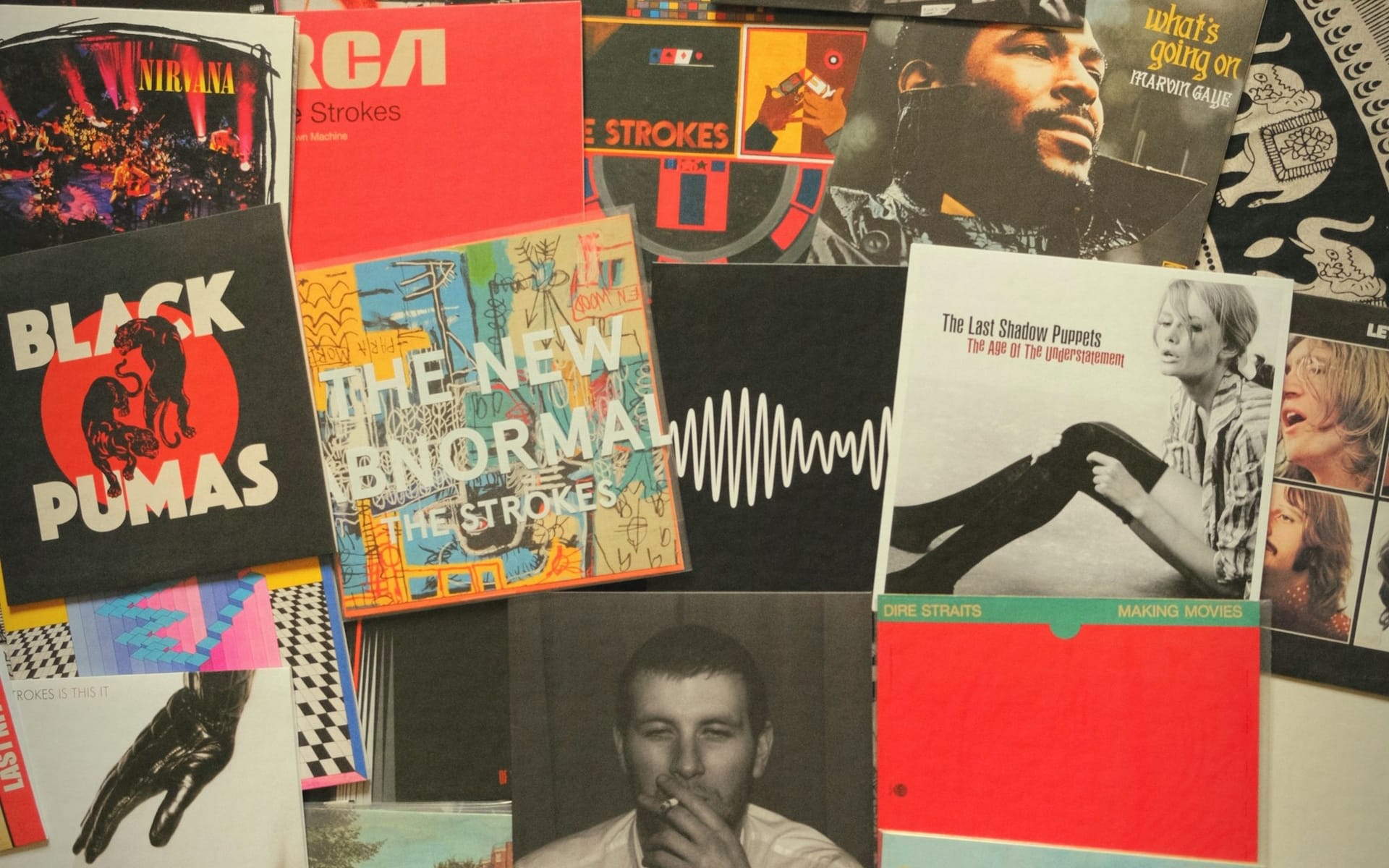
One of the perceived disadvantages of owning vinyl is the upfront cost of an album. New records can cost at least $30 for the most part, making this an expensive hobby if you try to collect everything. But, I do think there’s a benefit to this, in that it constrains you to collecting only those records which hit you a certain type of way. Rapper Big K.R.I.T. has a line that says “if it doesn’t touch my soul, I can’t listen to it.” Collect those albums that tell a story, but also collect those that tell your story. Ideally, your record collection should look different from someone you’re friends with, even if you have similar musical tastes. There’s no gatekeeping here, regardless of what some publication lists as the essential albums to own. In reality, I would only buy maybe no more than one or two albums per month. That’s maybe 20–25 albums in a year. In 10 years, that’s potentially 200 albums. At that point, you should be able to know a lot about me and my journey by the albums I collect.
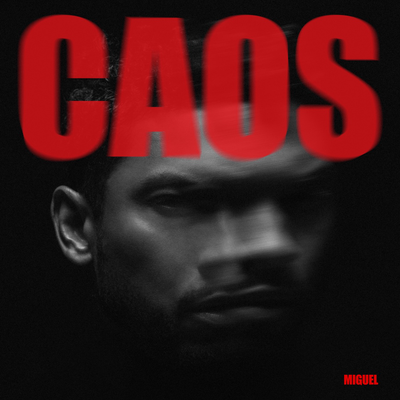
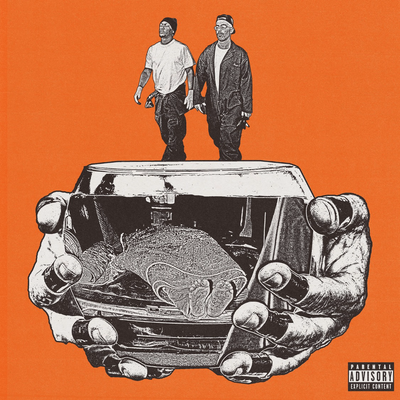
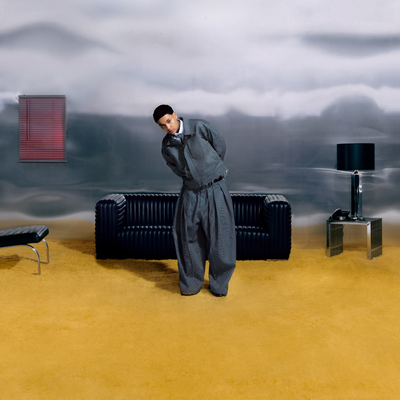
Does this mean you don’t buy new releases you’ve never heard before? No, you should absolutely buy them. Buy albums because the cover art is cool. Listen to them, and if they don’t hit you in a certain way, sell them back for store credit or an exchange. That’s part of the fun of this. You’re going to listen to some total shit (to your ears), and that’s a story you now have.
This is how I want to build my record collection. There will be some safe bets. There will also be some risks. There will be buying an album twice, such as the case with DAMN, or if there’s a cool collector’s edition. There’s a rabbit hole I’m willing to explore here, and it’s fully about experiencing music the way I used to when I was a kid and would have headphones on in front of the stereo, listening to Prince’s Sign ‘O the Times or Pink Floyd’s A Momentary Lapse of Reason, and had no problem spending my hour there. I think streaming music services can be complimentary to all of this. But they won’t replicate the full experience of listening to an album you physically own.